
Capability
From the first thought to the final moment.
An occasion is never just one thing. It is a reason to gather, a point of view, a place, a programme, a production and a thousand details that need to arrive together.
Canvas Creations brings those disciplines into one accountable team — from the first brief to the moment the room changes.
ThinkCreateProduceDeliverExtend
The belief
The occasion is the work.
We do not separate strategy from creativity or creativity from production. The reason for the gathering informs the idea. The idea informs the experience. The experience has to survive the realities of people, place, time and production.
People · Purpose · Place · Culture · Idea · Production · Moment · Impact
How we work
One brief.
One team.
One accountable partner.
Strategy, creative direction, experience design, production, hospitality and live delivery are strongest when they are considered together. They are not separate businesses. They are one way of holding an occasion.
The occasion
Disciplines connected around the occasion: Strategy, Creative Direction, Experience Design, Production, Hospitality, Technical, Operations, On-Site Leadership.
- Strategy
- Creative Direction
- Experience Design
- Production
- Hospitality
- Technical
- Operations
- On-Site Leadership
Connected, not ranked
How the work moves
How the work moves.
Five stages. One brief. The work should be felt as a movement — not offered as a menu.
01 — Think
Start with the reason for the gathering.
Before there is a room, there is a reason people are being asked to spend time together. That reason decides the work.
Brief. Audience. Purpose. Objectives. Constraints. Place. Context. Creative work waits until these are honest — not until they are comfortable.
Illustrative — conceptual atmosphere, not a production record.
02 — Create
Give the occasion a point of view.
A gathering without a point of view becomes a schedule. The idea is what invitations, light, programme and hospitality can all obey.
Concept. Creative direction. Design. Story. Programme. Content. The guest should be able to feel that these belong to the same thought.
Illustrative — conceptual atmosphere, not a production record.
03 — Produce
Make the idea real.
An idea that cannot survive suppliers, access, weather and a clock is still a sketch. Production is how the thought becomes a working occasion.
Technical production. Suppliers. Fabrication. AV. Staging. Scheduling. Coordination. The beautiful part rests on this.
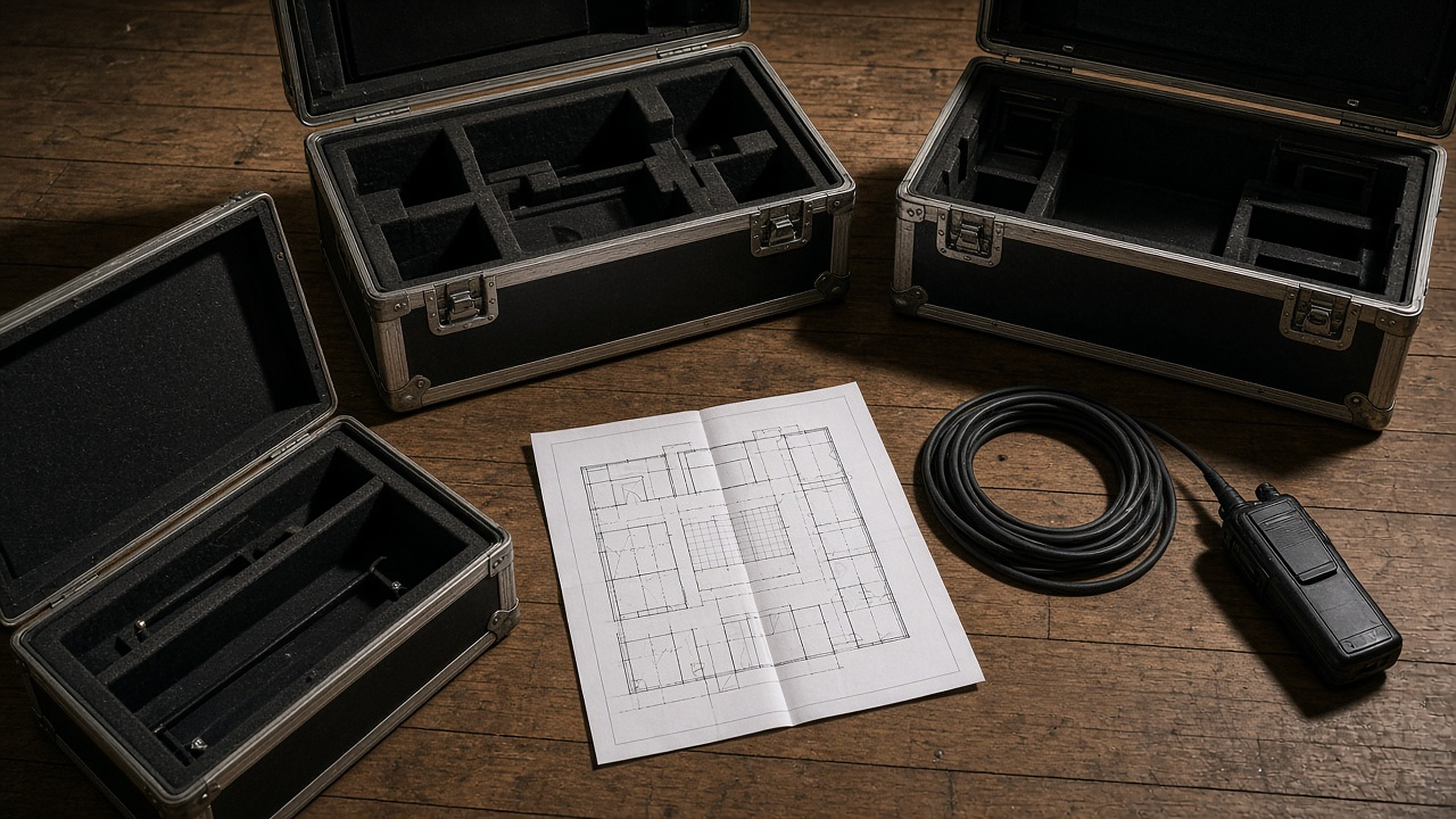
Illustrative — conceptual atmosphere, not a production record.
04 — Deliver
Hold the room when it matters.
Live delivery is not a handover. It is the moment the plan meets people — and someone still has to be accountable.
Guests. Hospitality. Operations. Timing. Suppliers. Programme. On-site leadership. The room should feel composed. The work underneath should not.
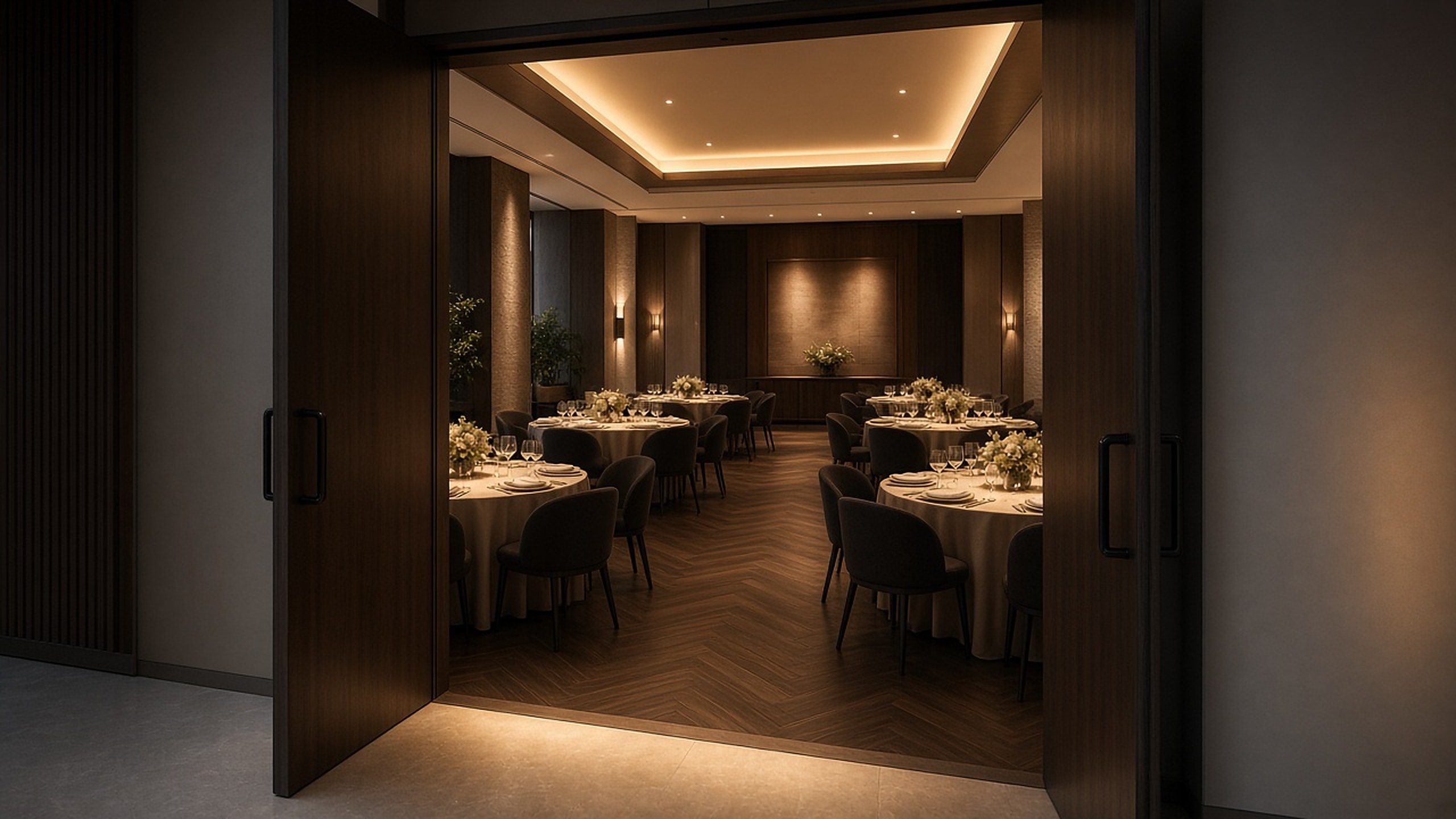
Illustrative — conceptual atmosphere, not a production record.
05 — Extend
Consider what remains after the room empties.
Some briefs end at departure. Others need the next conversation. We do not invent a measurement product to justify staying.
Content. Reporting. Relationships. Future planning — only where the brief includes them, and only in the form the occasion actually needs.
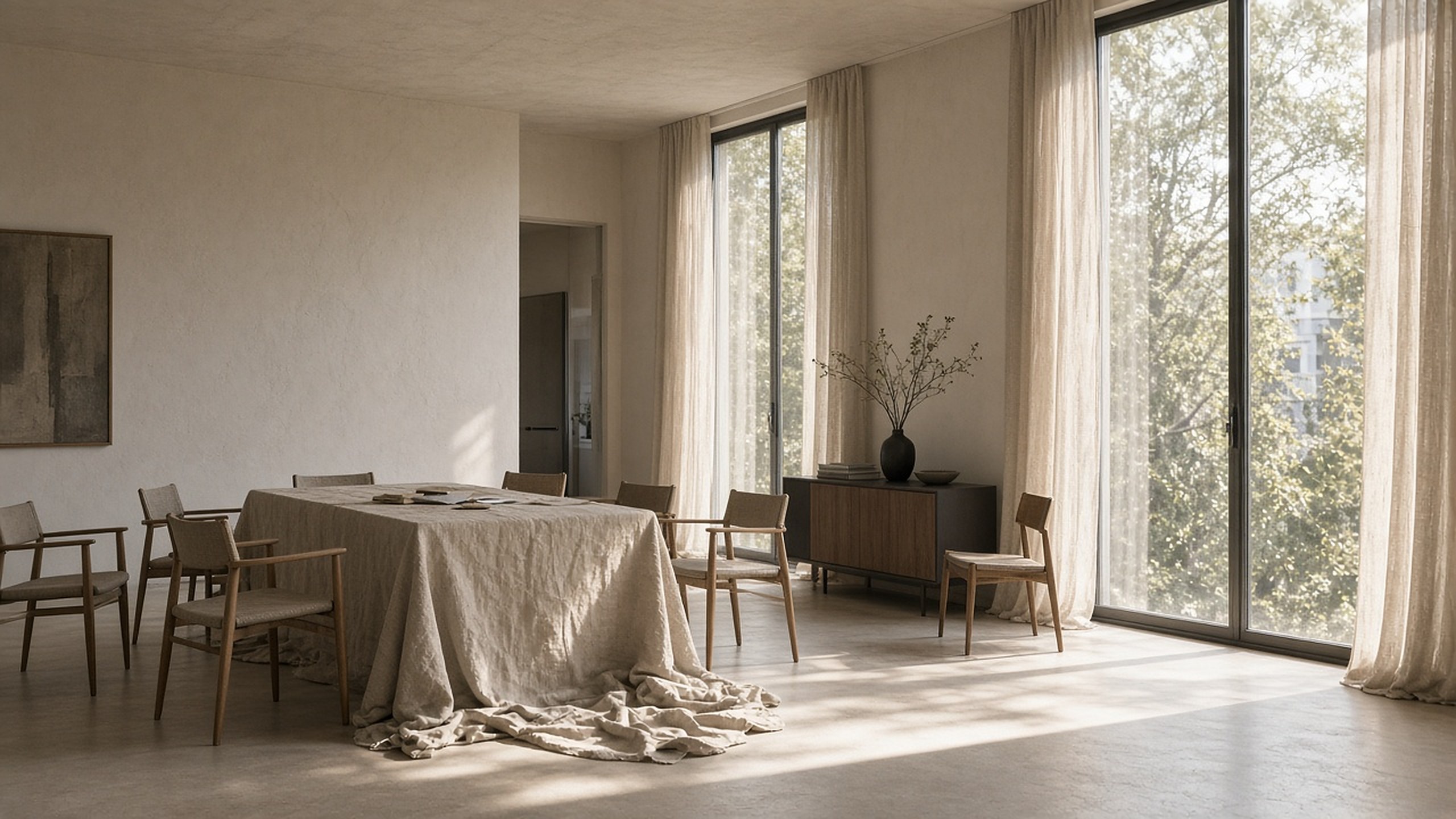
Illustrative — conceptual atmosphere, not a production record.
The disciplines
The disciplines behind the experience.
Different occasions require different combinations of expertise. We bring the disciplines together around the brief rather than asking the brief to fit a fixed package.
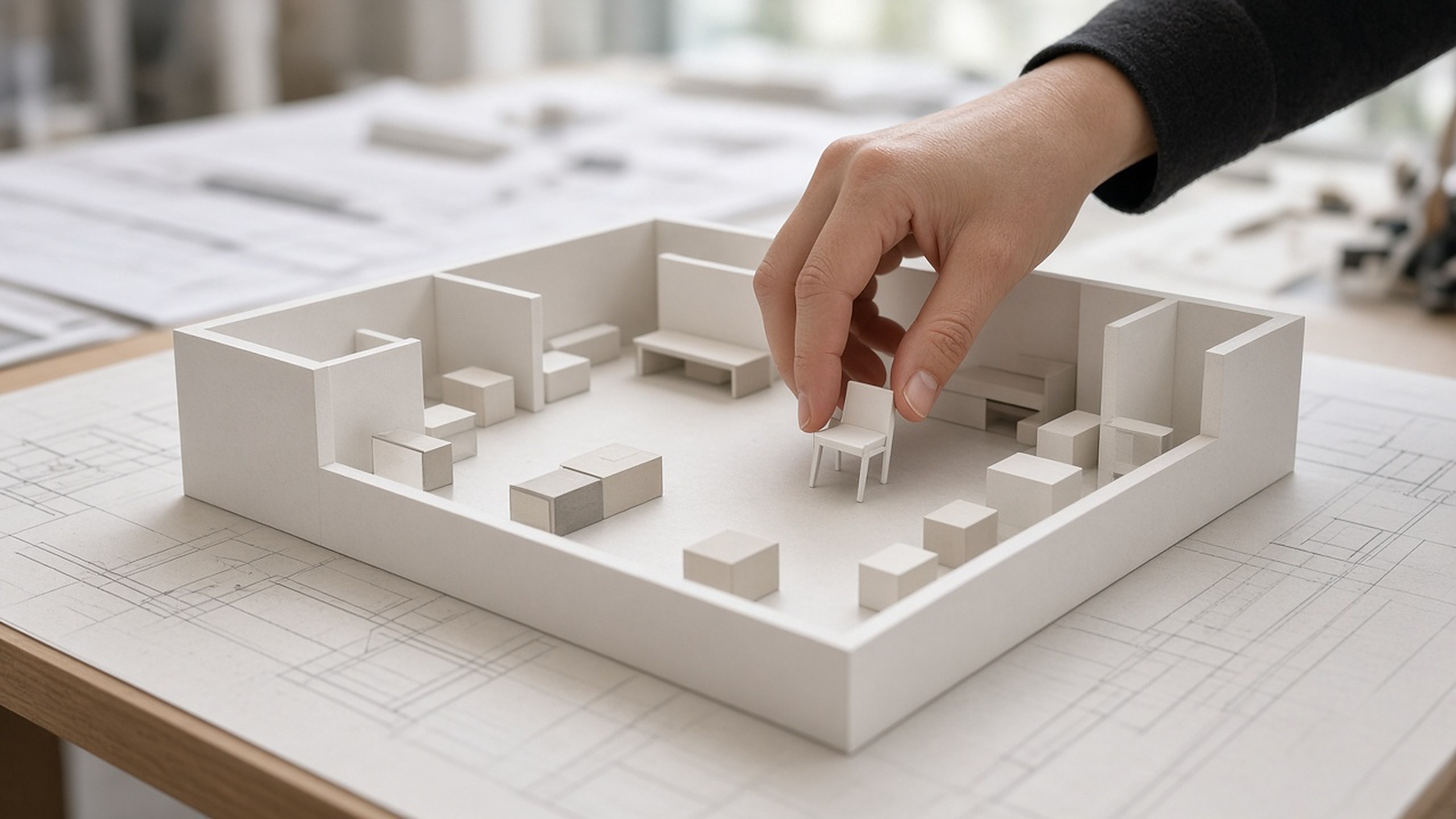
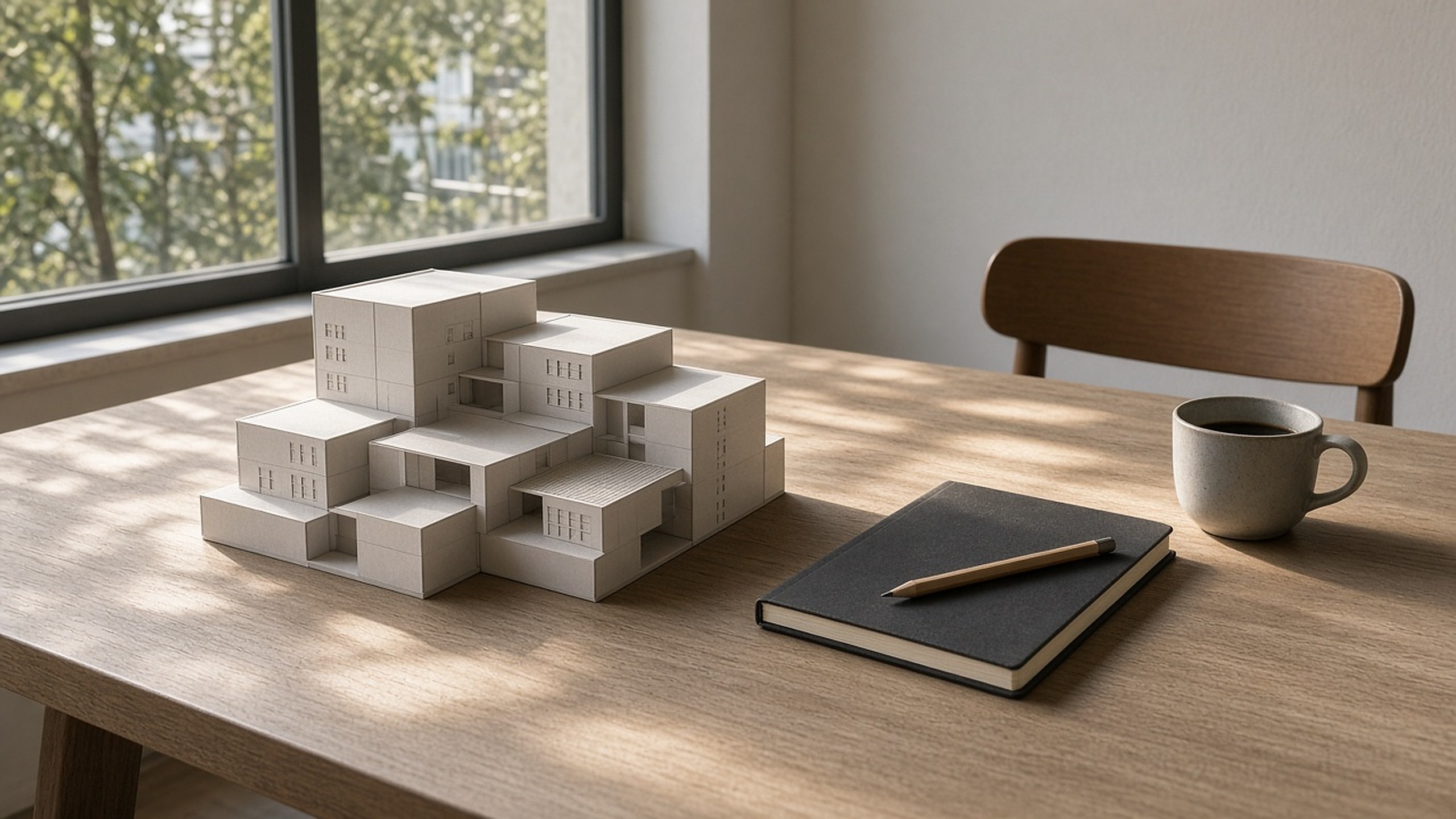
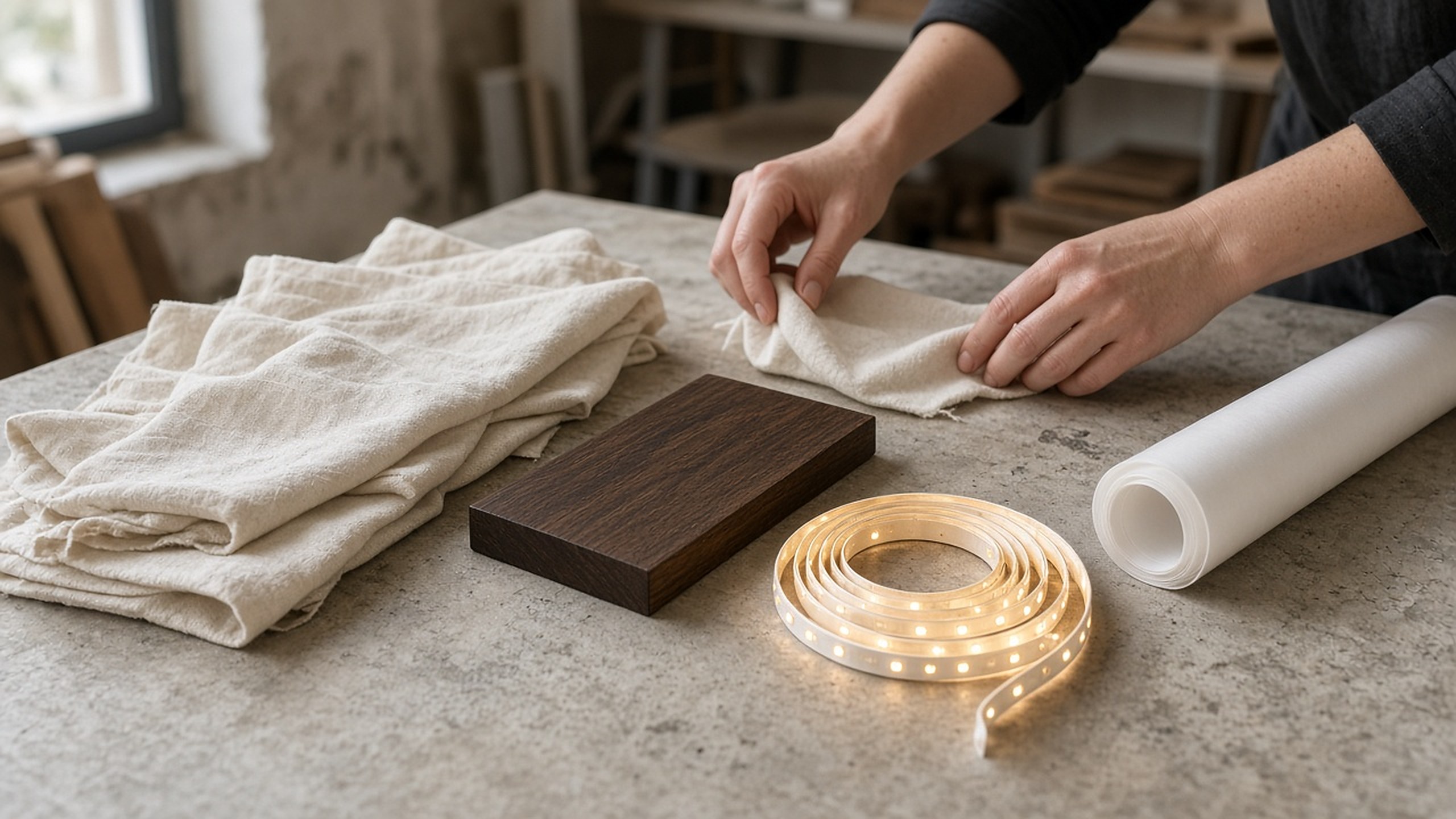
Planning is physical work. Models, samples and paper before the room exists.
Strategy & Creative
Decide what the occasion is for — then give it a form.
The brief is not a mood. It is the reason people are gathering, written clearly enough that design, programme and production can work from the same thought.
01
Strategy
The reason for the event.
Who the occasion is for, what it must achieve, and which constraints are real. Budget, place, protocol, time and reputation sit here — before anyone talks about décor.
02
Creative Direction
The point of view.
Look, tone and narrative so the invitation, the threshold, the lighting and the last speech feel as if they were written by the same hand.
03
Event Design
How the experience is shaped.
Arrival, movement, rooms, dining, speeches and departure composed as one sequence — with enough air that the day can be lived, not merely run.
Experience & Hospitality
The guest should be in the occasion, not managing it.
Hospitality is not a department that arrives after design. It is how people are received, oriented, fed, seated and released — and whether they ever have to ask what happens next.
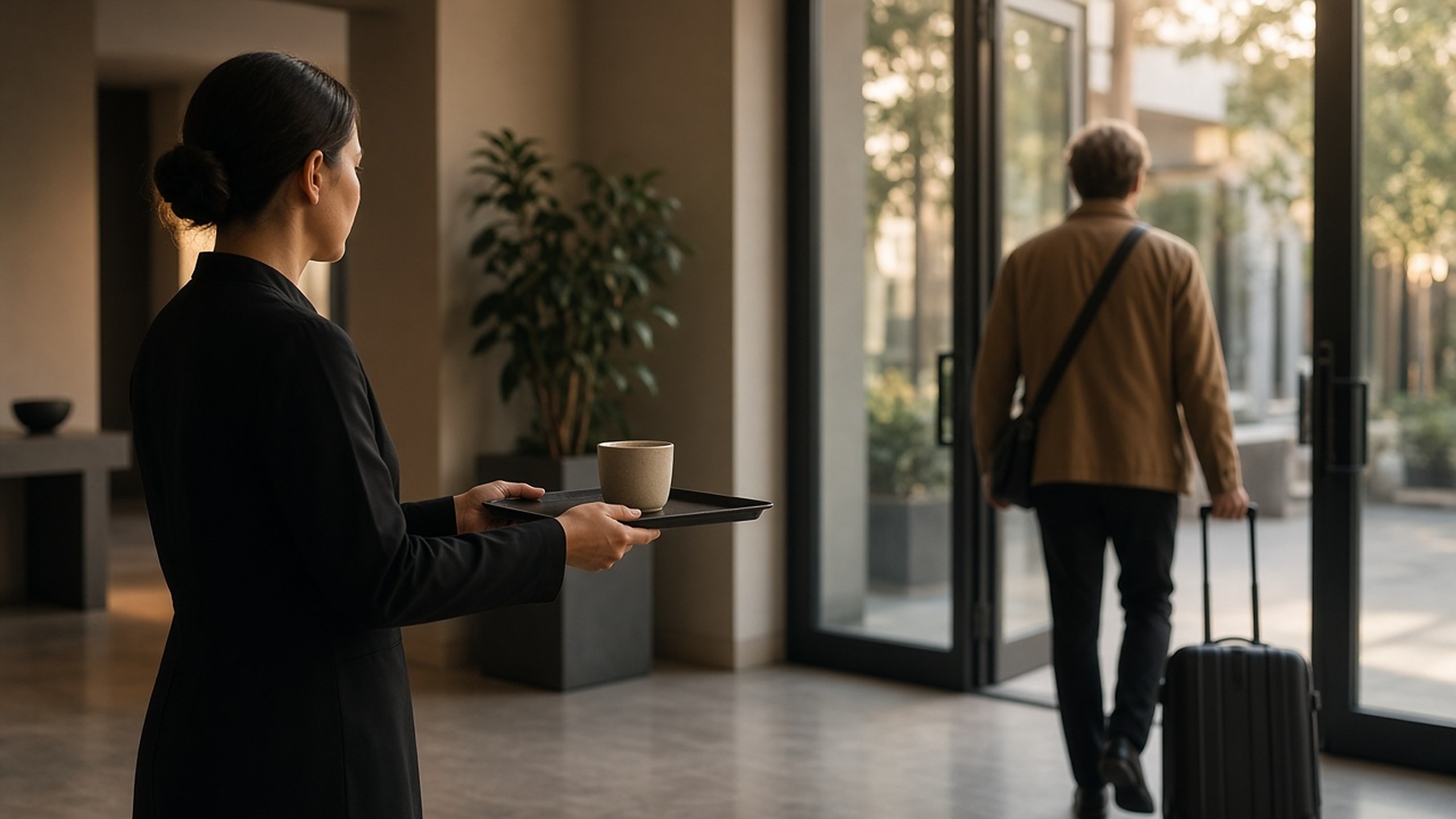
A threshold is already part of the occasion.
The guest journey
- 01
Arrival
How the day begins in the body — before a programme exists.
- 02
Orientation
Knowing where to go without being processed.
- 03
Hospitality
Care that does not announce itself.
- 04
Programme
Content that earns the time people have given.
- 05
Departure
The last impression is still the occasion.
Guest Experience
Arrival, orientation, participation and care.
Registration, signage, access and welcome designed so guests can be present. The operational load should not become their problem.
Venue & Hospitality
Place, layout, service and operational flow.
The setting is not a backdrop. Layout, service and kitchen timing have to support the programme — or they will quietly rewrite it.
Entertainment & Programming
People, content, pacing and atmosphere.
Who appears, in what order, and for how long. Atmosphere is a schedule. Filling time is not a programme.
Production & Delivery
The beautiful experience rests on unglamorous discipline.
Production is not the opposite of creative work. It is the condition that lets an idea survive people, place, time and the unexpected.
The invisible machinery
01
Plan
What has to be true before anyone builds.
02
Coordinate
Suppliers, access and a single clock.
03
Build
The physical and technical room comes into being.
04
Rehearse
The sequence is tested while there is still time to change it.
05
Operate
The live day is held, not hoped for.
06
Adapt
The plan includes the moment the plan changes.
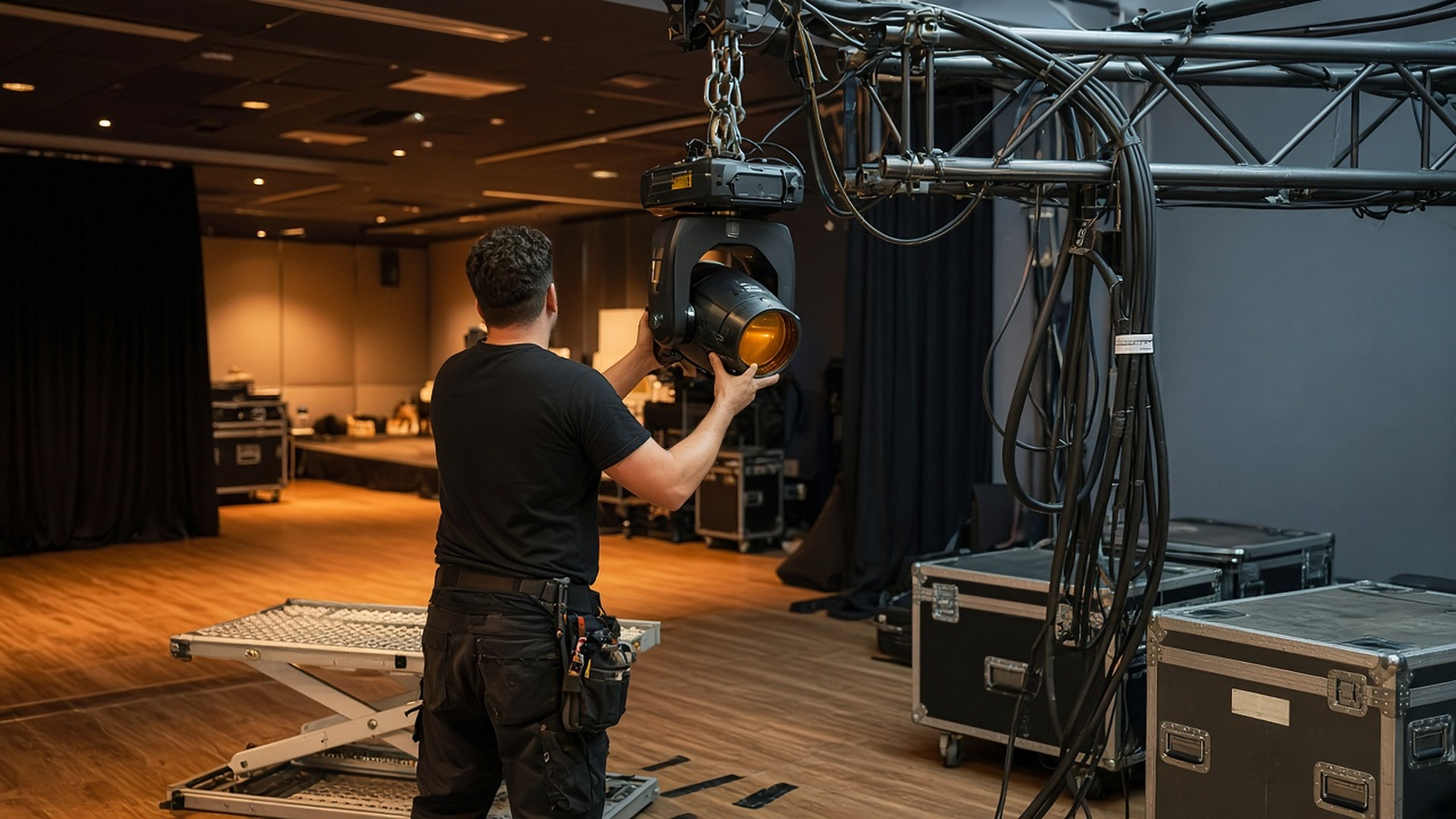
Focus, truss and timing — the work guests are not meant to notice.
Event Production
Turning the idea into a working production.
Suppliers, fabrication, technical and the run of show held as one operation — so the idea does not fracture the week before doors.
Technical & Staging
AV, lighting, staging and scenic.
Specified and managed so production serves attention, speech and movement — without making safety or comfort someone else's afterthought.
Event Operations
Logistics, staffing, communications, risk and contingency.
The invisible timetable: who is where, what happens if it rains, who speaks if a cue is late. Problems should be solved before guests notice them.
On-Site Management
Leadership when the occasion is live.
Bump-in, the room, and bump-out. Someone still directing suppliers and adjusting the plan when the conditions change.
Visible and invisible
The experience should feel effortless.
The work behind it isn't.
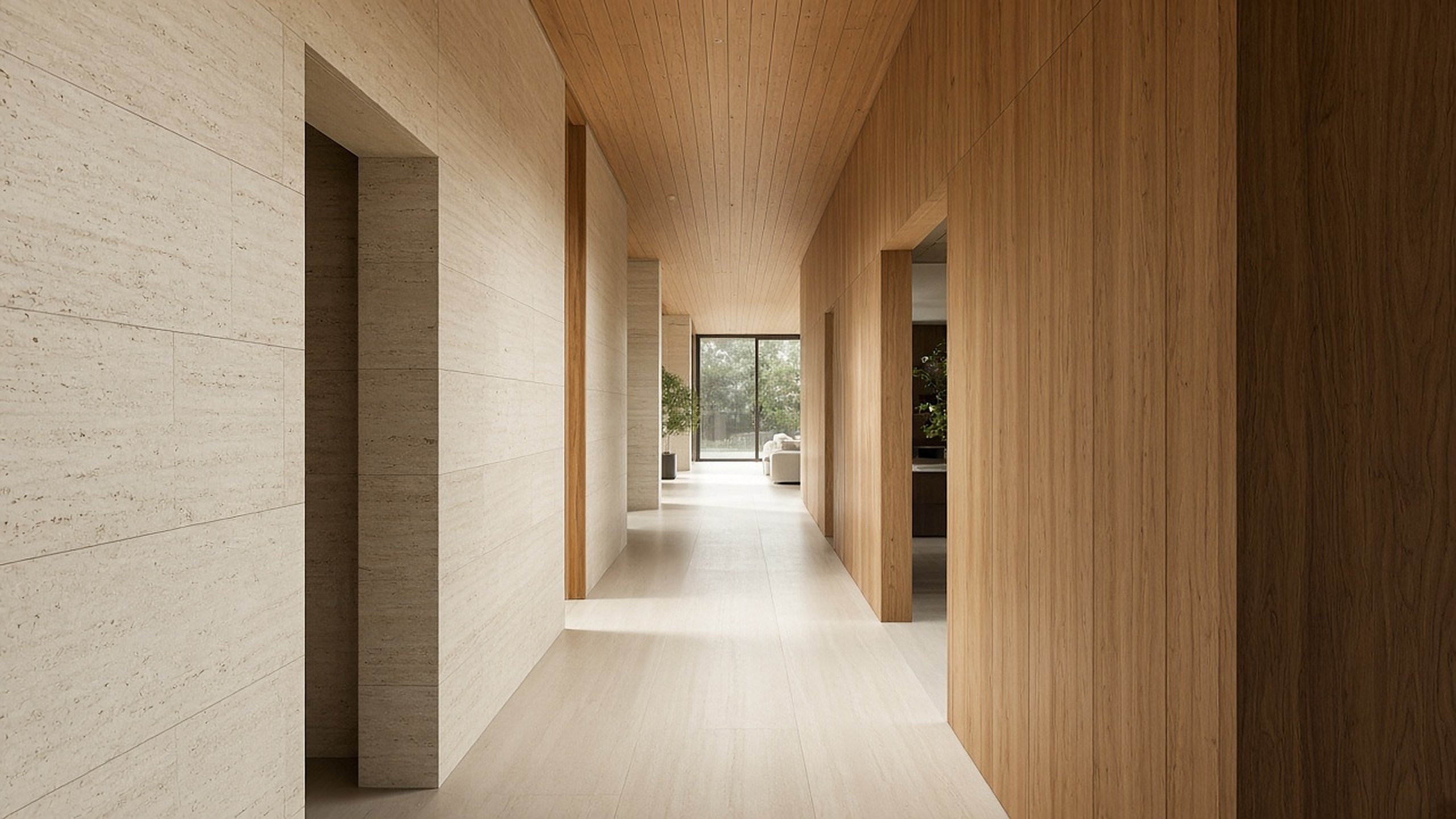
What the guest sees
- Arrival
- Light
- Welcome
- Space
- Sound
- Food
- People
- Timing
- Moment
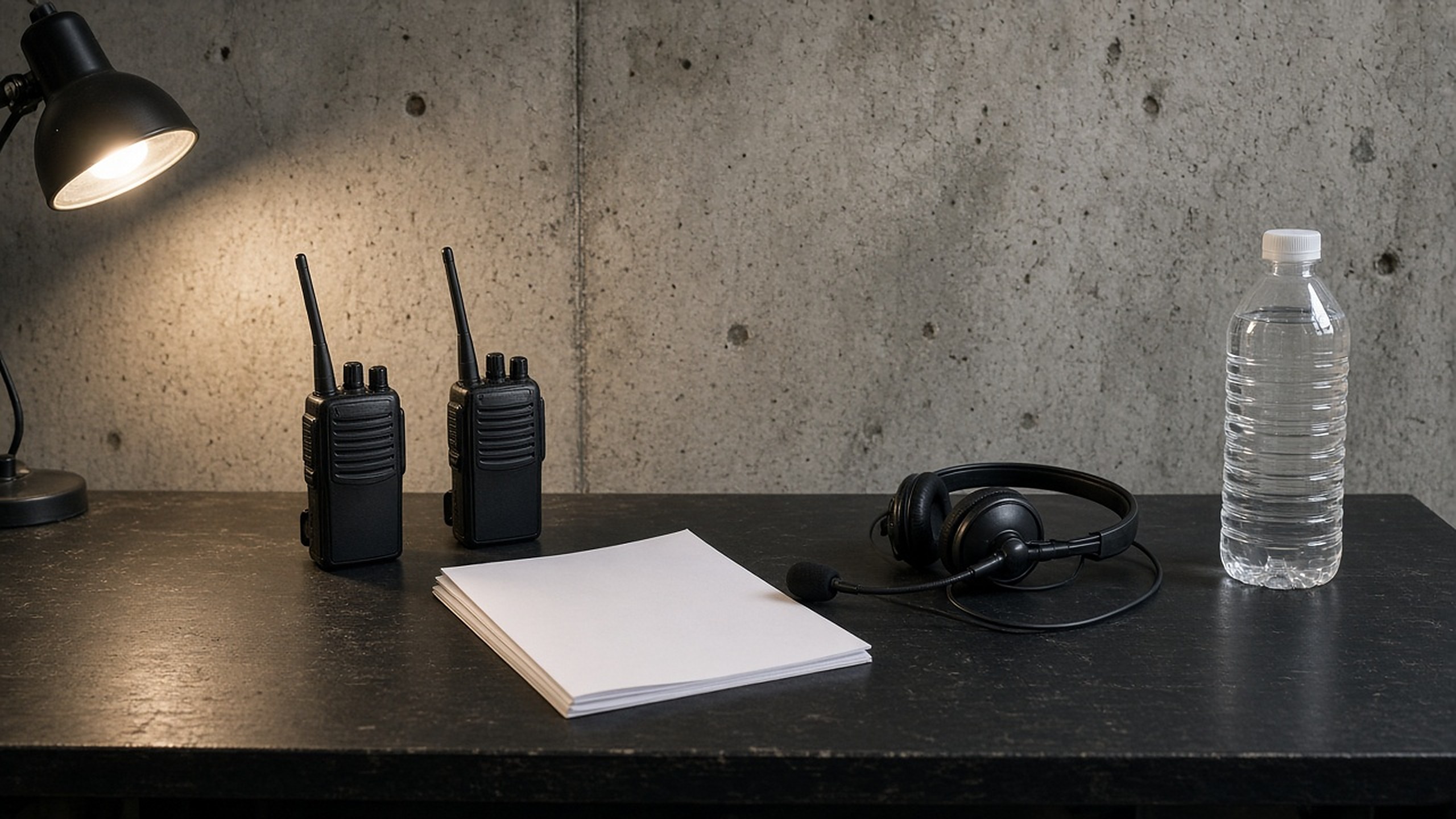
What Canvas is holding
- Brief
- Schedule
- Suppliers
- Access
- Technical
- Risk
- Communication
- Contingency
- Operations
- Timing
The two sides are the same occasion. One is felt. The other is managed. Imagery is illustrative — not a record of a Canvas production.
The Canvas vocabulary
Eight things we consider.
Canvas does not begin with décor. These are the questions that decide the work.
People
Who is in the room?
Guests, hosts, speakers, staff and the people the day is actually for. The work starts with them — not with a floor plan.
The detail
The detail is not decoration.

01
Arrival
Where people enter changes how they feel before anything begins. A threshold is already a decision.
02
Light
Lighting is not atmosphere layered on afterwards. It changes attention, movement and the sense of time.
03
Sound
The right level can make a room feel intimate or vast. The wrong one makes every speech a negotiation.
04
Transition
The gaps between programme elements decide whether a day feels composed or assembled. Most rooms fail in the joins.
05
Departure
The last impression is still part of the occasion. People remember how they were released.
The brief determines the team.
No two occasions need exactly the same combination of disciplines. We build the working team around the purpose, audience, place and complexity of the brief.
Where the work lands
Different occasions. Different emphasis.
The operating model stays. The weight of each discipline changes. These are commercial territories — not case studies.
Government & Councils
Purpose · Protocol · Accessibility · Stakeholders
Explore
Corporate & Institutions
Strategy · Brand · Audience · Leadership
Explore
Galas & Fundraising
Hospitality · Story · Recognition · Atmosphere
Explore
Festivals & Public Experiences
Public Realm · Programme · Operations · Access
Explore
Summits & Conferences
Content · Delegates · Stage · Transitions
Explore
Weddings & Celebrations
People · Place · Hospitality · Timing
Explore
Delegations & International Experiences
Hosting · Protocol Awareness · Hospitality · Coordination
Explore
The next step
Bring us the occasion.
Tell us what is bringing people together, what matters about the moment and what needs to happen around it. We will start there.
One brief.
One team.
One accountable partner.