
Experiences / Summits & Conferences
An idea needs a day that can hold it.
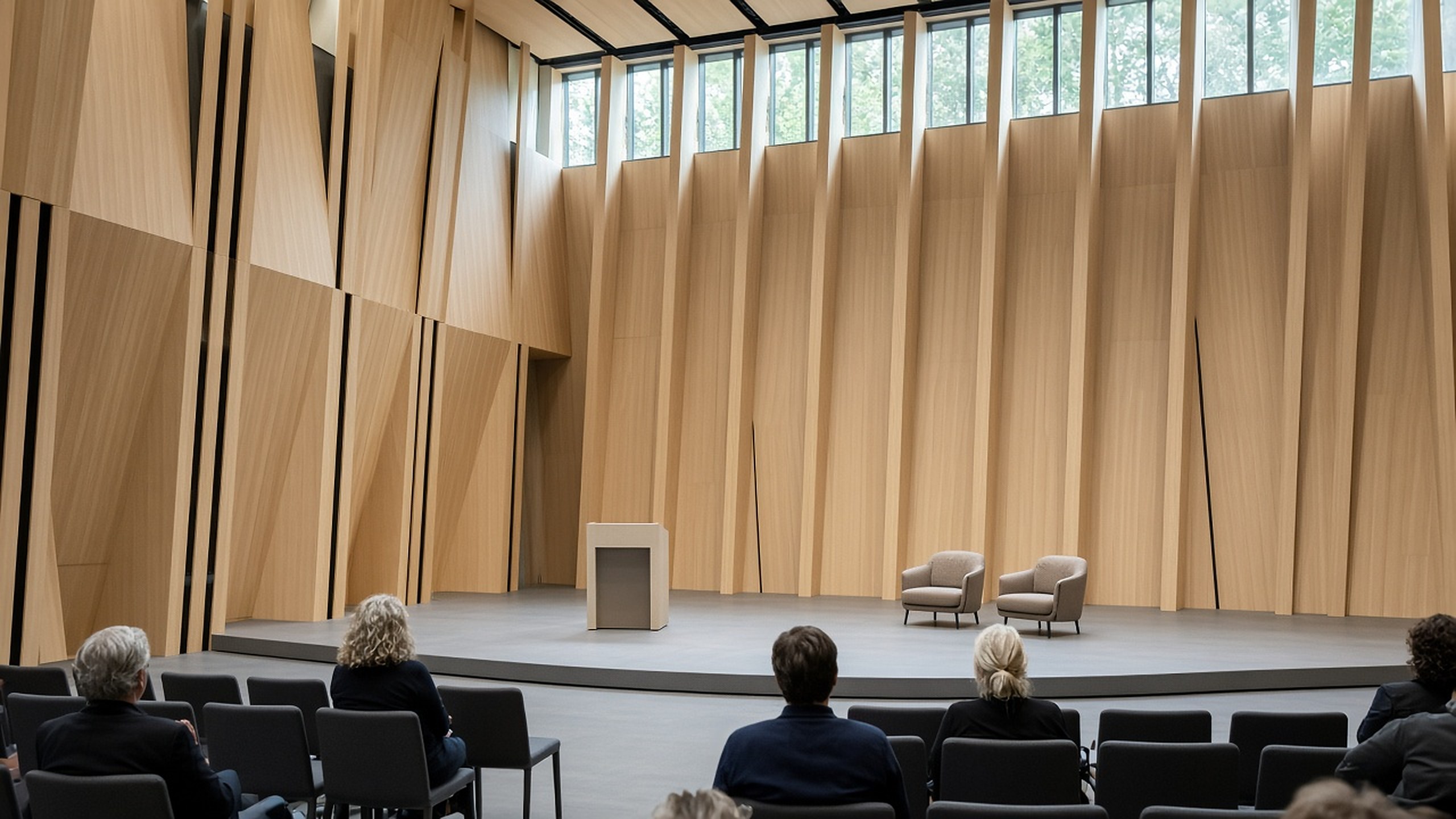
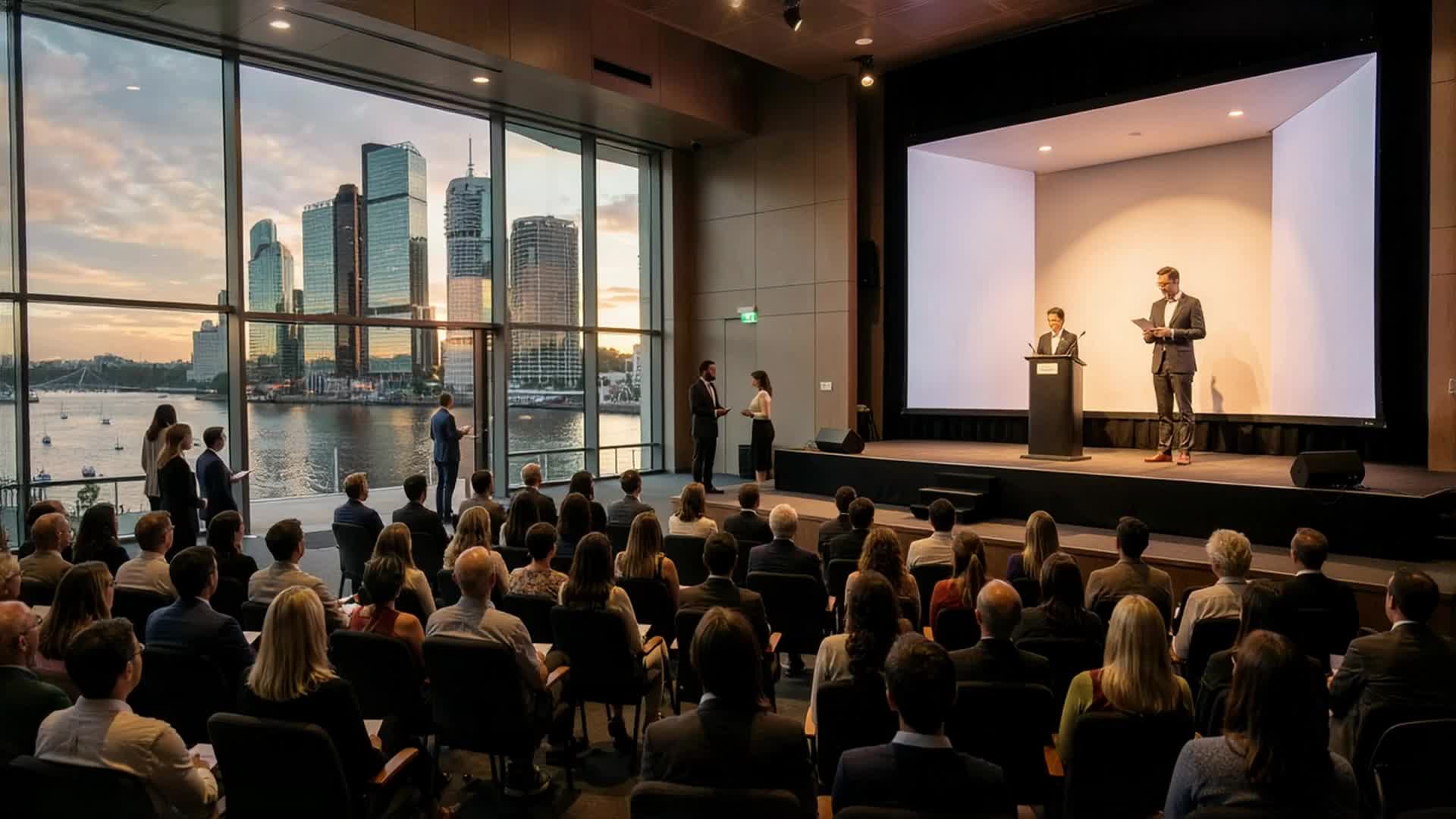
A conference is not a stage, a screen and a row of chairs. It is content, people, timing, movement and the hospitality that lets thinking continue.
Knowledge has a timetable
The conversation is the product.
Delegates come for ideas and for each other. If registration fails, if the room cannot hear, if the break is a crush, the agenda was only a document.
This is different from a corporate celebration. The work is to keep attention, dignity and time with the people who came to think.
How the experience moves
Before, during, after
Three timescales. The stage moment is only the middle one.
Before
Brief, agenda, speakers, venue and registration designed before anyone arrives.
During
Entry, stage, content, AV and hospitality on one run of show.
After
Content, relationships and reporting — when they are part of the work.
What we consider
What a thinking day is made of
Not a supplier list. The parts that decide whether content can land.
Audience
Who is in the room, and what they already know.
Agenda
A journey, not a stack of speakers.
Speakers
How people are received backstage, and how the room receives them.
Transitions
The minutes between sessions — where programmes usually fray.
AV
Clarity as a courtesy. If they cannot hear, there was no summit.
Hospitality
Food and rest that do not interrupt the reason people came.
Think → Create → Produce → Deliver → Extend
What we hold on a thinking day
Create is programme architecture. Produce is the condition of being heard.
01
Think
Audience, outcomes and the shape of the day.
02
Create
Agenda pacing, rooms and the guest journey between them.
03
Produce
Stage, AV and the technical reliability the conversation requires.
04
Deliver
Show-calling while minutes actually matter.
05
Extend
Capture and continuation, only when asked.
The Canvas approach
The dimensions that lead
People, purpose, idea, production and impact — in that kind of order.
People
Delegates, speakers and the staff who make the day possible.
Purpose
Why this gathering, and not a memo.
Idea
The intellectual spine the rooms have to serve.
Production
Stage, light, sound and the clock.
Impact
Continuation — notes, relationships, the next meeting — when the brief includes it.
The experience
What delegates should meet
An entry that works, a stage that is clear, hospitality that does not interrupt, and a close that still feels looked after.
Related experiences
Continue from here
What happens next
If this is the kind of occasion you are planning
Conference case studies appear only when permissioned. We do not invent speaker line-ups or attendance.